
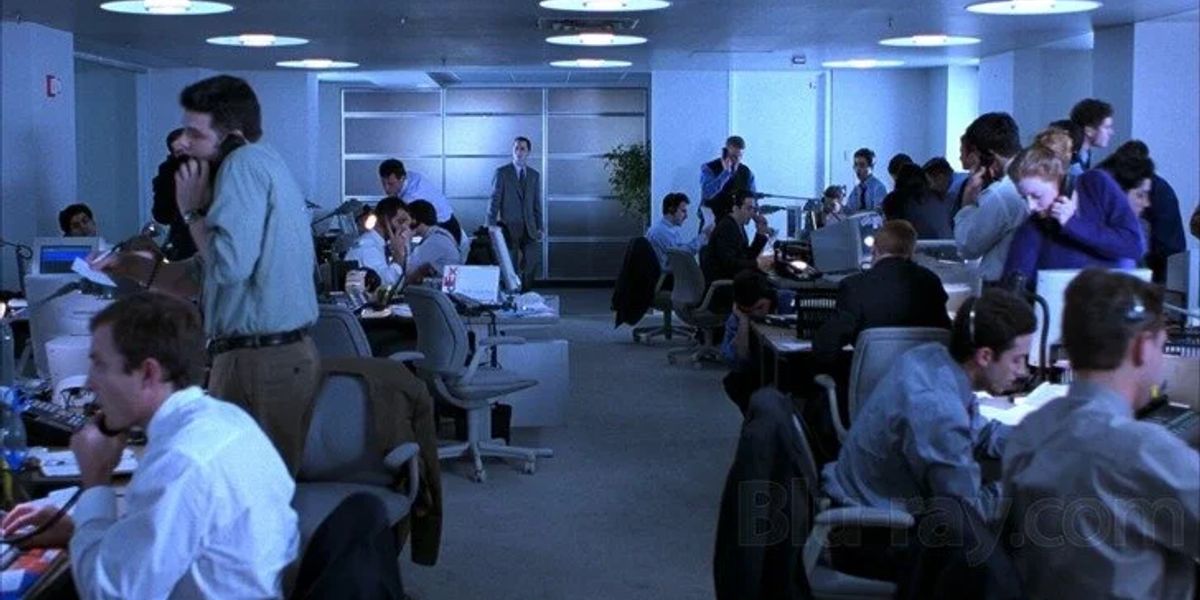
Walk into a successful company today and it would probably look familiar to someone who worked in business twenty years ago. People organized into departments. Managers coordinating teams. Meetings fill most of the week. Information moving from one person to the next through emails, updates, and conversations.
The structure has changed less than most people realize, even as the technology around it has transformed completely.
Now imagine walking into a leading company ten years from now.
There is a good chance it will look very different from anything that exists today.
The old blueprint for growth
For decades, scaling a business followed a very predictable pattern. More customers meant more employees, that meant more managers and more departments. More departments meant more meetings, more approval chains, and more coordination overhead.
This model made sense because human effort was the primary way organisations increased their output. If you needed more to be done, you simply needed more people to do it.
It worked. But it also created friction that grew alongside the organisation. The larger a company became, the slower it often moved. Complexity became the unavoidable cost of success.
A different way to build
What is changing now is not simply that new tools are available. It is that businesses can start designing their operations around intelligent systems from the beginning rather than adding technology on top of structures that were built for a different era.
AI can prepare information before people need it. Automation handles repetitive coordination that used to require someone's time and attention. Systems communicate with each other without requiring a human to move information between them. Blockchain provides transparent and verifiable records in situations where trust between parties matters. Teams spend their time on decisions rather than on the administration that surrounds decisions.
Technology becomes part of how the company operates rather than something employees manage on the side of their real work.
What tomorrow's organisations will have in common
The next generation of successful businesses will share a set of characteristics that look quite different from today's standard operating model. Fewer repetitive tasks consuming skilled people's time. Clearer workflows with less ambiguity about ownership and next steps. Faster decisions because information arrives prepared rather than requiring assembly. Smaller but highly capable teams that can accomplish what much larger teams could not before.
These organisations will learn continuously from their own operations rather than relying on periodic reviews. They will offer better customer experiences because their systems surface the right information at the right moment. And they will be able to adapt to change faster because they will not be carrying the weight of unnecessary complexity.
Success will come increasingly from designing better systems rather than simply hiring more people to manage existing ones.
Why this matters right now
This future is already beginning to take shape in organisations willing to ask different questions.
The important question is how the business should operate over the next decade. What kind of organisation does it want to become? What should the structure look like when the work of coordination and administration has been largely removed from people's daily responsibilities?
The companies asking those questions today will build stronger foundations than the ones still focused only on adding technology to structures that were never designed for it.
About Wave Group
Wave Group helps organisations design businesses for the next generation of work. That means combining AI, automation, blockchain, and modern digital infrastructure into operating models built for speed, transparency, adaptability, and long-term growth. The objective is not simply implementing technology. It is helping organisations build businesses that are ready for what is coming rather than constantly reacting to it after it arrives.
The companies leading the next decade will have different foundations. Technology will be part of their structure.
The future belongs to businesses willing to rethink not just how they work, but how they are built.